
Wisdom teeth (third molars) usually appear in the late teens or early twenties. In many people they erupt normally and function without problems. In others they remain partially erupted or fully impacted under the gum and bone, which can lead to inflammation, infection, or damage to the neighboring teeth.
The decision to keep or remove a wisdom tooth is not automatic. It depends on the position of the tooth, the available space, the health of the surrounding tissues, and the risk of future problems.
When it makes sense to keep a wisdom tooth
We generally recommend retaining a wisdom tooth when:
- It has erupted into a normal position and is in function
- The pulp is healthy
- The surrounding gum and bone are healthy
- The patient can clean the area effectively
- The risk of surgery outweighs the benefit of removal
In these cases, periodic monitoring is usually sufficient.
When extraction is the better option
Extraction is usually recommended when one or more of the following are present:
- Insufficient space in the arch for the tooth to erupt properly
- Repeated episodes of pericoronitis (inflammation and infection of the gum over a partially erupted tooth)
- The tooth is causing damage or root resorption on the second molar
- There is a developing periodontal pocket that cannot be maintained
- The tooth is decayed and cannot be reliably restored
- There is evidence of a cyst or other pathology associated with the tooth
- The patient has limited ability to keep the area clean long-term
Impacted wisdom teeth can also contribute to crowding in some patients, although this is only one of several factors considered.
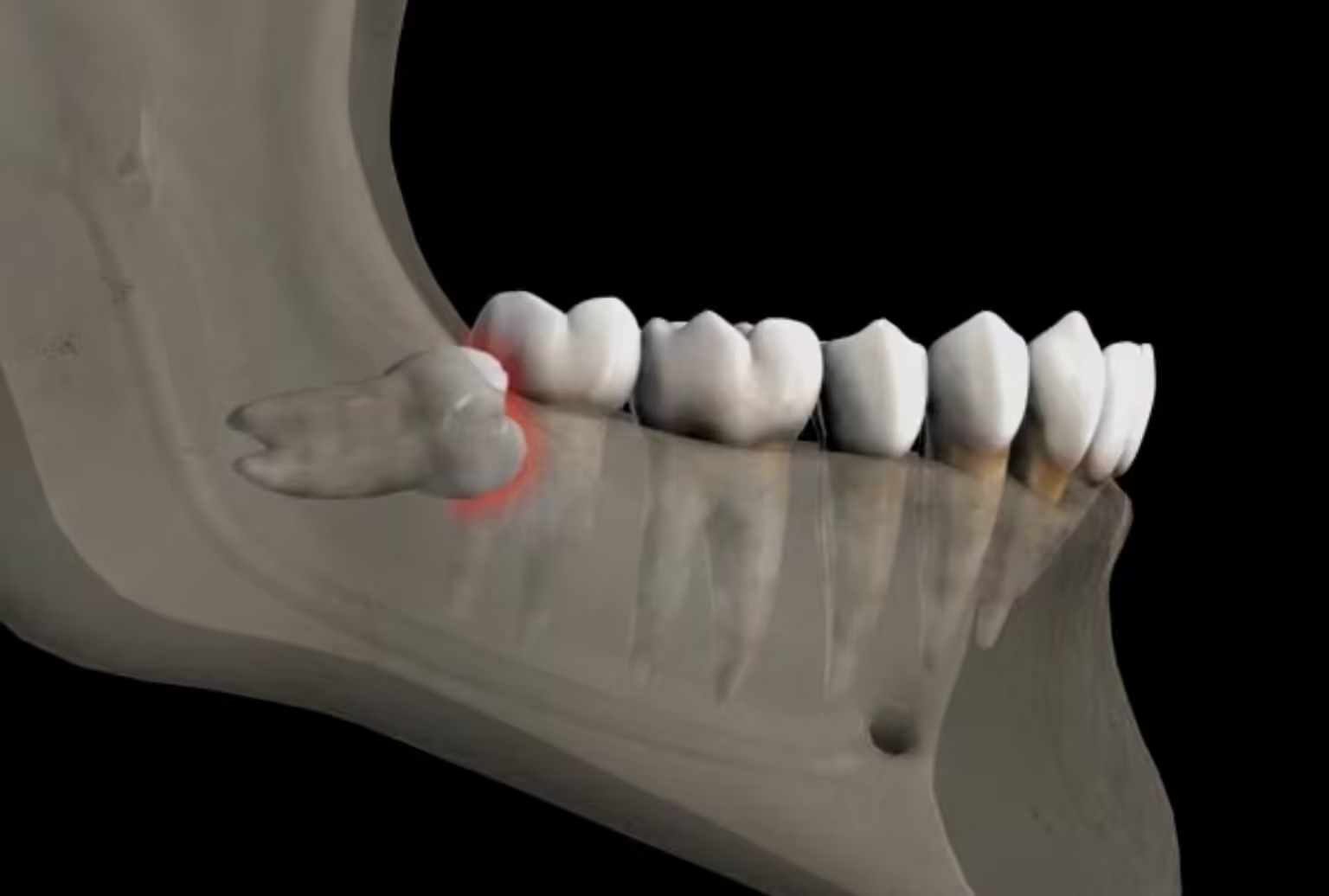
Damage is being caused to an otherwise healthy second molar (resorption) due to 3rd molar impaction.
What the extraction involves
Most wisdom tooth extractions are straightforward. When the tooth is fully impacted or close to the nerve, the procedure becomes surgical and may involve removing a small amount of bone or sectioning the tooth for safer removal.
We evaluate each case with clinical examination and imaging (usually a panoramic X-ray, and a CBCT when the relationship to the nerve needs to be assessed more precisely).
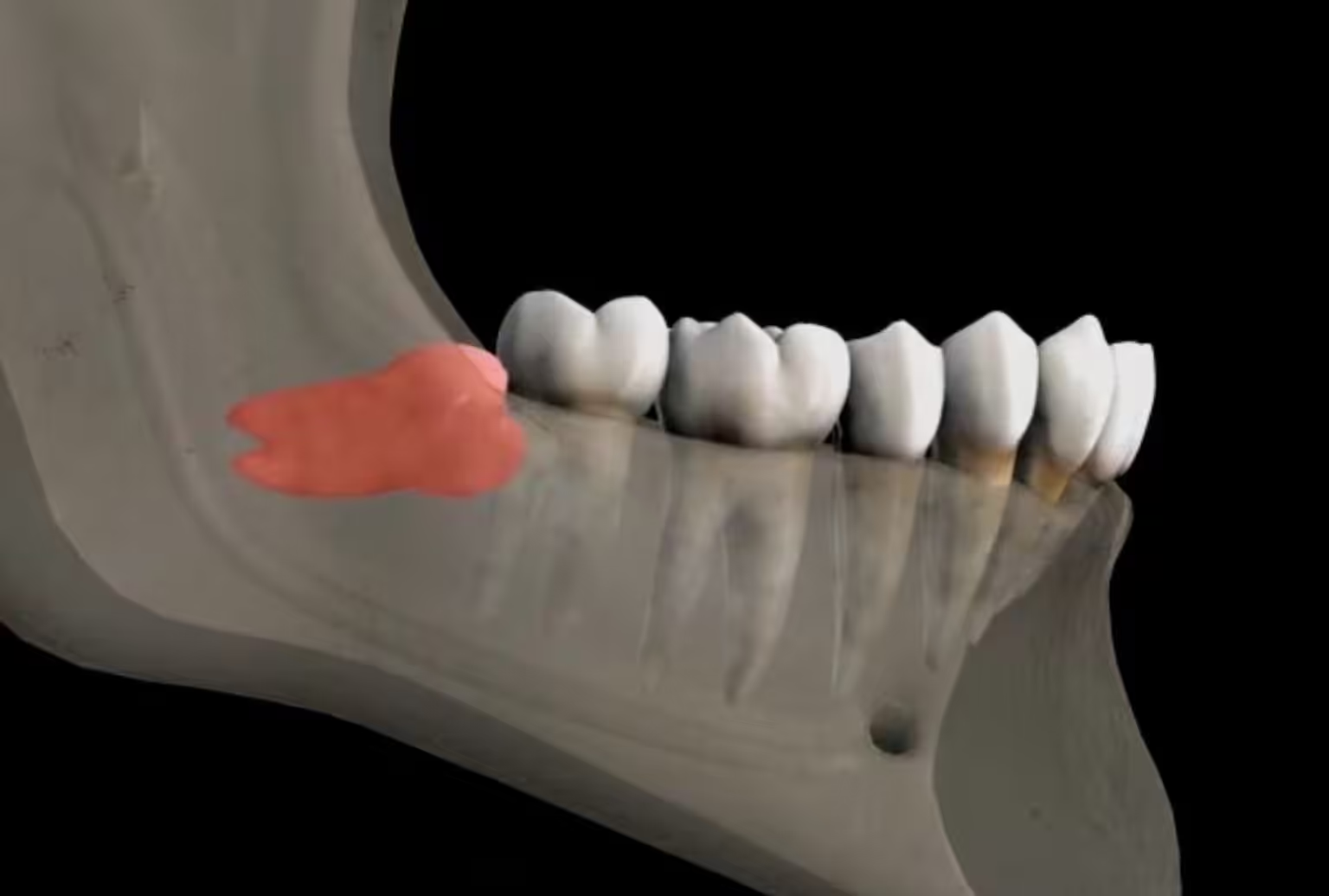
Pressure from impacted 3rd molar causes teeth along the arch to become crowded.
After Extraction
Normal post-operative recovery includes mild to moderate swelling and discomfort for a few days. We provide clear written and verbal instructions on pain control, diet, oral hygiene, and activity restrictions. Most patients return to normal routines within a few days to a week, depending on the complexity of the case.
Planning treatment
If you have been told you need your wisdom teeth removed, or if you are experiencing recurring inflammation in the back of the mouth, we can review your X-rays and advise whether extraction is necessary and how it would fit with any other dental treatment you may be planning.
USA & Canada: +1 (888) 398-5854
WhatsApp: +51 995-540-050
Peru: +511 242-2152