
When a tooth is badly damaged by decay or trauma, patients often face an important decision: try to save the tooth with a root canal, or replace it with a dental implant.
Both options can be successful. The better choice depends on the condition of the tooth, the long-term prognosis, and the patient’s goals.
Quick Comparison
| Aspect | Root Canal + Crown | Dental Implant |
|---|---|---|
| Goal | Save the natural tooth | Replace the tooth completely |
| Best when | Tooth has a good long-term prognosis | Tooth is too damaged or has failed before |
| Longevity | Often 8–15+ years with good care | High long-term success (often decades) |
| Effect on bone | Preserves the natural root for now | Helps maintain bone where the tooth is missing |
| Upfront cost | Usually lower | Usually higher |
| Long-term cost | May require retreatment or later implant | More predictable over time |
| Maintenance | Similar to a natural tooth | Similar to a natural tooth |
Advantages of a Root Canal
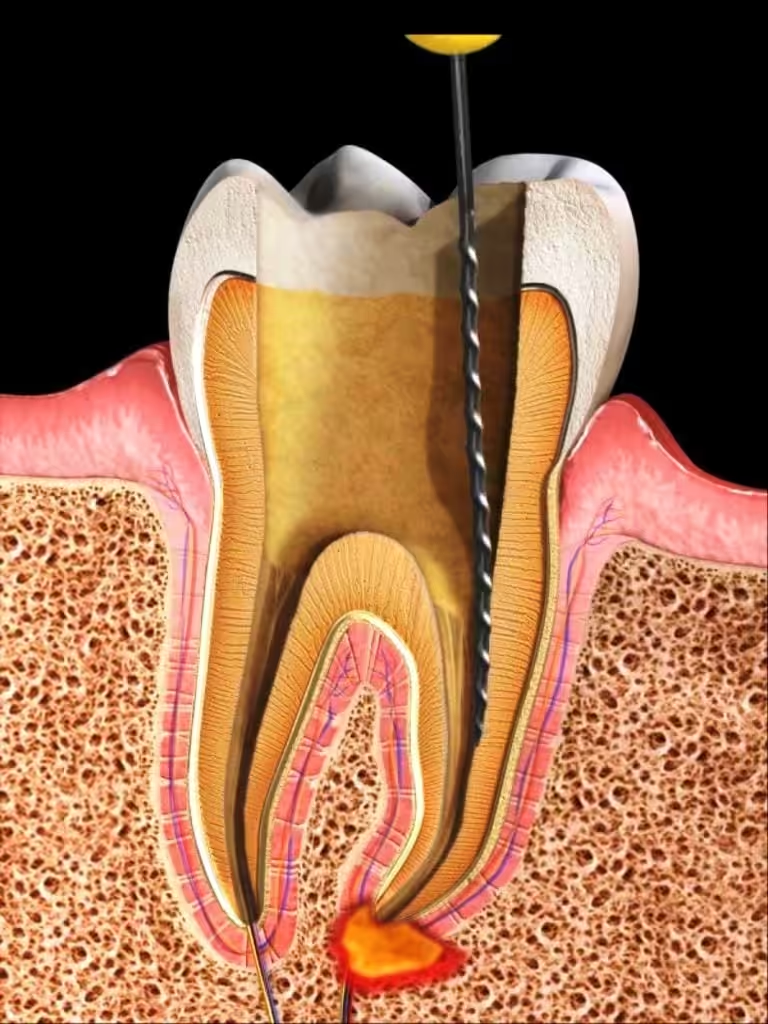
A root canal is designed to save a natural tooth by removing infected or damaged pulp and sealing the canal system. A crown is usually placed afterward to protect the tooth.
Main advantages:
- Preserves the natural tooth
- Usually lower upfront cost
- Maintains the natural root and surrounding bone for as long as the tooth remains healthy
- Can be a good option when the tooth structure and prognosis are favorable
Root canal treatment is often the preferred first choice when the tooth has a realistic chance of lasting for many years.
Advantages of a Dental Implant
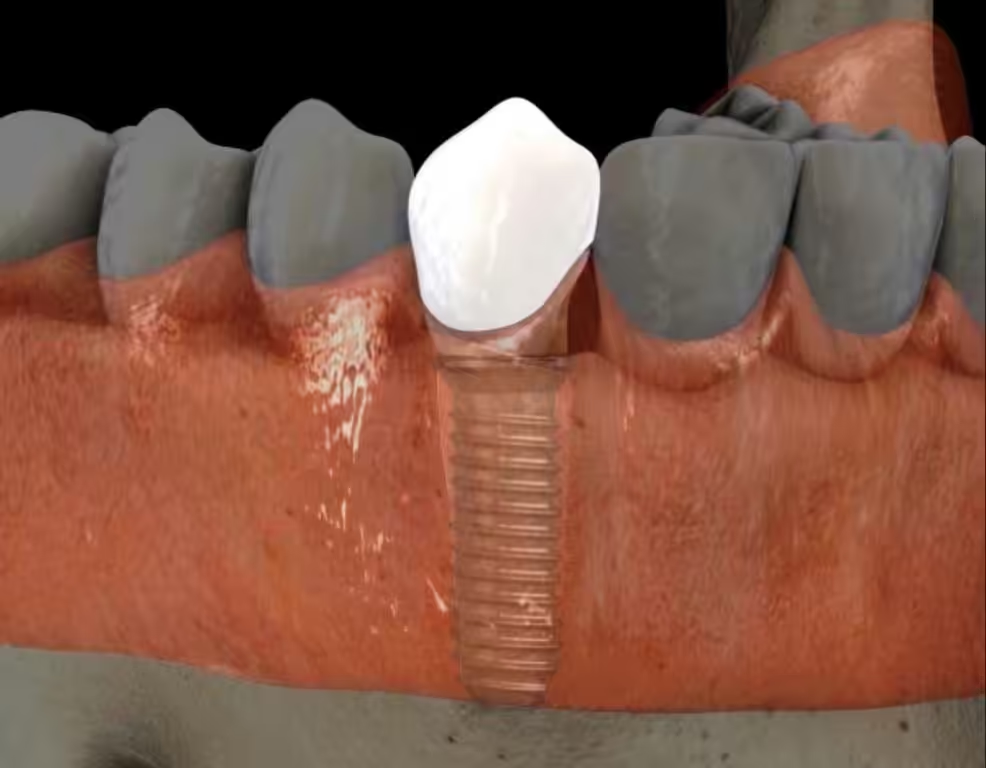
A dental implant replaces the entire tooth, including the root, with a titanium implant and a crown.
Main advantages:
- Does not rely on a damaged natural tooth
- Does not affect neighboring teeth
- Helps preserve jawbone in the area of the missing tooth
- High long-term success rates when properly planned and maintained
- Often the better option after a failed root canal or when little healthy tooth structure remains
When a root canal is usually the better choice
A root canal is often recommended when:
- The tooth still has enough healthy structure
- There is a good chance of long-term success
- The surrounding bone and gums are healthy
- Preserving the natural tooth is realistic and beneficial
In these cases, saving the tooth is usually the more conservative approach.
When a dental implant is usually the better choice
A dental implant is often the better option when:
- The tooth is severely damaged or fractured
- Previous root canal treatment has failed
- There is not enough remaining tooth structure to support a reliable crown
- The long-term prognosis of the natural tooth is poor
- The patient wants a more predictable long-term solution
In these situations, extracting the tooth and placing an implant can avoid repeated treatments on a compromised tooth.
Cost: short-term vs long-term
Root canal + crown usually costs less at the beginning.
Dental implants usually cost more initially, but may be more economical over many years if they avoid repeated failures, retreatments, or later tooth loss.
The most cost-effective choice is the one that is most appropriate for the specific tooth and the patient’s long-term oral health.
The most important factor: diagnosis
There is no universal answer that applies to every case. The right decision depends on:
- The condition of the tooth
- X-rays / CBCT findings
- Previous treatments
- Bite forces and oral habits
- The patient’s overall dental situation and goals
A proper clinical evaluation is essential before choosing between a root canal and an implant.
Need help deciding?
If you are unsure whether a tooth should be saved with a root canal or replaced with a dental implant, send us your X-rays or a short description of your case.
We will review your situation and reply with a clear recommendation and personalized quote.
- USA & Canada: +1 (888) 398-5854
- WhatsApp: +51 995-540-050
- Peru: +511 242-2152