
Bruxism is the habit of clenching or grinding the teeth. It can occur during the day or, more commonly, at night while sleeping. Many people are unaware they do it until they develop symptoms or a dentist notices the wear on their teeth.
Common causes
Bruxism is usually linked to one or more of the following factors:
- Stress or anxiety
- Sleep disturbances
- An uneven bite
- Certain medications or lifestyle factors
- In some cases, airway or breathing issues during sleep
It is not caused by a single factor in every patient.
What bruxism does to the teeth and jaw
Over time, repeated clenching and grinding can produce noticeable damage:
- Flattening or wearing away of the tooth enamel
- Chipped or fractured teeth
- Broken restorations (fillings, crowns, or veneers)
- Increased tooth sensitivity
- Mobility of teeth in more advanced cases
- Soreness or fatigue in the jaw muscles
- Headaches, especially in the temples
- Pain in the neck or around the jaw joint
For patients who already have crowns, veneers, or implants, bruxism is particularly important to control. The excessive forces can shorten the lifespan of restorative work.
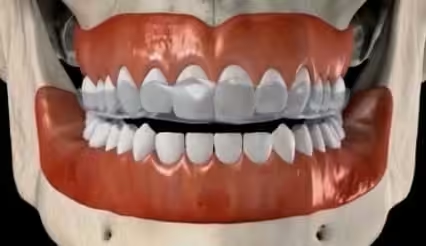
Night Guard for Protection for Bruxism
How we manage bruxism
The most common and effective first-line treatment is a custom night guard (occlusal splint). This device is worn while sleeping and serves several purposes:
- Protects the teeth and restorations from further wear and fracture
- Helps relax the jaw muscles
- Distributes forces more evenly
- Reduces strain on the periodontal ligament and jaw joint
In some cases we may also recommend adjustments to the bite, physical therapy exercises, or further evaluation if there are signs of a broader temporomandibular joint problem.
A night guard is not a cure for the underlying habit, but it is highly effective at preventing ongoing damage.
Why this matters for restorative patients
If you are planning veneers, crowns, or implant-supported restorations, uncontrolled bruxism can compromise the result. We routinely evaluate for signs of grinding or clenching as part of treatment planning and will recommend a protective splint when indicated.
If you wake up with jaw fatigue, notice wear on your teeth, or have been told you grind at night, it is worth having it assessed.
USA & Canada: +1 (888) 398-5854
WhatsApp: +51 995-540-050
Peru: +511 242-2152