Periodontal Treatment
Periodontal Disease (Periodontitis)
Periodontal disease (gum disease) is a chronic bacterial infection of the gums and bone supporting the teeth and is a major cause of tooth loss in adults. Because gum disease is usually painless, individuals often do not realize they have gum disease.
Gum disease is caused by plaque bacteria, which form a sticky film on the tooth surface. These plaque bacteria release toxins that can damage the gums. As the amount of plaque increases, saliva can begin to mineralize the plaque to form tartar. These hard deposits on the roots of the teeth only serve to promote more plaque formation and further damage to the gums.
Periodontal disease (gum disease) is a chronic bacterial infection of the gums and bone
supporting the teeth and is a major cause of tooth loss in adults.
Periodontitis vs. Gingivitis
There are two main types of gum disease – gingivitis and periodontitis. Gingivitis is very common and may affect up to 70% of the population. Gingitvitis is reversible. Periodontitis affects around 30% of adults over age of 30. Periodontitis is not reversible but rather is a condition that must be managed. Both these infections can be treated and controlled, but the earlier they are diagnosed and managed, generally the better the prognosis for your teeth.
Diagnosis and treatment of periodontitis in its early stages is important for successful treatment. If you have not had a periodontal screening examination with your dentist in the last 12 months, make it a priority. Remember, most patients who present with periodontitis are completely unaware of a gum problem being present in their mouth because it rarely causes pain until it becomes very severe, by which time it may be too late to save your teeth.
Stages of Periodontitis
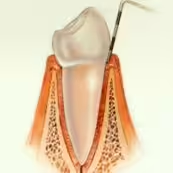
Normal healthy gums
Healthy gums and bone anchor teeth firmly in place.
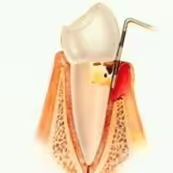
Periodontitis
Unremoved plaque hardens into tartar. As plaque continues to build up, the gums begin to recede from the teeth, and pockets form between the teeth and gums.
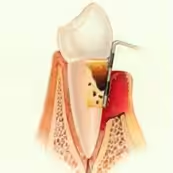
Advanced Periodontitis
The gums recede further, destroying more bone and the periodontal ligament. Even healthy teeth may become loose and need to be extracted.
Periodontal disease is typically painless and often the signs are subtle.
Signs of Periodontitis
Periodontal disease is typically painless and often the signs are subtle. Symptoms may include:
• Gums that bleed easily with brushing or flossing
• Red, swollen or tender gums
• Pus between gums and teeth
• Gums that pull away from the teeth
• Persistent bad breath
• Loose or separating teeth
• A change in the way your teeth fit together when you bite
Periodontal Treatment
The goal of periodontal treatment is to stop the progression of the disease, eliminate infection, reduce inflammation, and preserve your natural teeth for as long as possible. The type of treatment depends on how advanced the periodontitis has become.
Non-Surgical Treatment (First Line of Treatment)
In most cases, periodontitis can be controlled with non-surgical treatment:
- Scaling and Root Planing (Deep Cleaning) This is the most common treatment. It involves a thorough cleaning below the gum line to remove plaque, tartar, and bacterial toxins from the tooth roots. The procedure is usually performed under local anesthesia and may require multiple visits depending on the severity of the disease.
- Periodontal Maintenance Therapy After the initial treatment, it is essential to have professional cleanings more frequently (usually every 3 to 4 months) to control bacterial buildup and prevent the disease from progressing again. Long-term maintenance is key to successful treatment.
Surgical Treatment (Advanced Cases)
When periodontitis is very advanced and there is significant bone loss or deep periodontal pockets that do not respond to non-surgical treatment, surgical intervention may be necessary:
- Flap Surgery The gum tissue is gently lifted to allow better access to the tooth roots and bone. This permits deeper cleaning and reduction of periodontal pockets.
- Bone and Tissue Regeneration In some cases, bone grafts or special membranes are used to stimulate the regrowth of bone and tissue around affected teeth.
What to Expect During and After Periodontal Treatment
Periodontal treatment is usually completed over several visits. After scaling and root planing, it is normal to experience some sensitivity in the gums and teeth for a few days. Most patients can return to their normal activities the following day.
It is very important to follow the oral hygiene instructions at home and attend all scheduled maintenance appointments. Without proper maintenance, the disease can return.
Importance of Long-Term Maintenance
Periodontitis is a chronic condition. Even after successful treatment, patients must continue with a lifelong periodontal maintenance program to prevent relapse. Regular visits allow early detection and treatment of any signs of disease reactivation.
Frequently Asked Questions
Is periodontal treatment painful? Periodontal treatment, especially scaling and root planing, is performed with local anesthesia, so it should not hurt during the procedure. It is normal to feel some sensitivity or discomfort in the gums for a few days afterward, but this can be easily managed with over-the-counter pain medication.
Can I lose my teeth if I have periodontitis? Yes. If left untreated, periodontitis can destroy the bone and tissue that support the teeth, eventually leading to tooth loss. However, with proper treatment and regular maintenance, it is often possible to keep your teeth for many years.
Can periodontitis be completely cured? Periodontitis is a chronic disease. It cannot be completely cured like a simple infection, but it can be very well controlled. With proper treatment and ongoing maintenance, most patients are able to stop the progression of the disease and keep their teeth.
What happens if I don’t get treatment? If periodontitis is not treated, the infection and inflammation continue to advance. This can cause progressive bone loss, loose teeth, persistent bad breath, and eventually tooth loss. It is also linked to other health problems such as heart disease and poorly controlled diabetes.
How often do I need to see the dentist after treatment? After the initial treatment, most patients with periodontitis need periodontal maintenance visits every 3 to 4 months instead of every 6 months. These visits are essential for long-term control of the disease.
Gums and Overall Health
An increasing amount of research links chronic periodontal disease to conditions such as coronary heart disease, diabetes and respiratory disease. Healthy gums help ensure good overall health.
Contact us for more information about periodontal treatment.
